• Skip to main content
  • Skip to primary sidebar

Collection Agency USA

collections

by

Statute of Limitations – Do you have to pay an older debt?

Understanding Time-Barred Debts: Statute of Limitations Explained

When you owe money, creditors typically have a certain period to legally pursue repayment. This legal timeframe is known as the statute of limitations. Once this period expires, the debt becomes “time-barred,” meaning creditors or collection agencies can no longer sue you to recover the debt. However, it doesn’t mean your debt completely disappears.

What Exactly is a Time-Barred Debt?

A time-barred debt is one that has surpassed the statute of limitations, preventing creditors from legally enforcing repayment through the courts. This time limit varies widely by state and debt type, generally ranging between 3 to 6 years. Once expired, creditors can still attempt collections through phone calls or letters, but you’re not obligated by law to pay.

Can Time-Barred Debt Affect Your Credit?

Yes, absolutely. Even if the statute of limitations has expired, unpaid debts may stay on your credit report for up to seven years from the date of your first missed payment. This can significantly lower your credit score, making it harder to obtain loans, credit cards, or favorable interest rates.

Statute of Limitations by State (Common Debt Types)

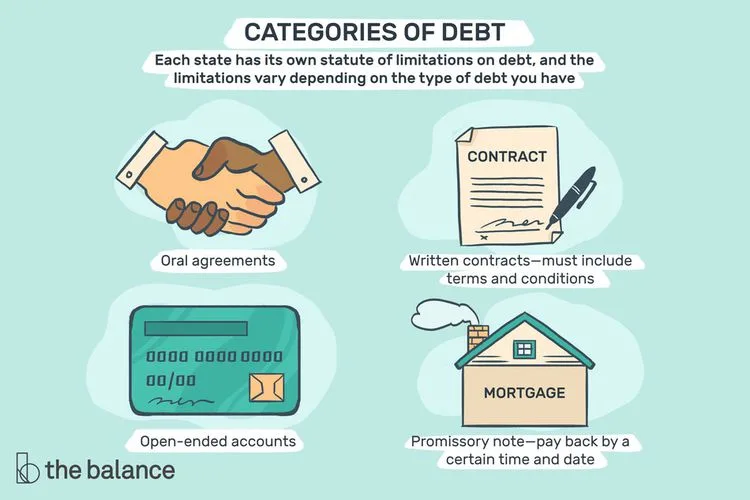
State Written Contracts Oral Agreements Promissory Notes Open-Ended (Credit Cards)
Alabama 6 years 6 years 6 years 3 years
California 4 years 2 years 4 years 4 years
Florida 5 years 4 years 5 years 4 years
Illinois 10 years 5 years 10 years 5 years
Indiana 10 years 6 years 10 years 6 years
New York 6 years 6 years 6 years 6 years
Ohio 8 years 6 years 6 years 6 years
Texas 4 years 4 years 4 years 4 years
Washington 6 years 3 years 6 years 3 years

(*Note: Verify with local laws or consult an attorney, as laws occasionally change.)

How Debt Becomes “Revived”

If you make a payment—even a partial one—or acknowledge the debt verbally or in writing, you risk “reviving” the debt. This resets the statute of limitations, making the debt legally collectible again. For example, paying just $20 toward a $3,000 time-barred credit card debt can restart the clock, potentially exposing you to lawsuits again.

What Should You Do if Contacted About a Time-Barred Debt?

  1. Avoid Admitting Debt: Never confirm the debt is yours without legal consultation.
  2. Request Verification: Ask for documentation proving the debt and the date of your last payment.
  3. Know Your Rights: Debt collectors are legally prohibited from suing or threatening to sue you on time-barred debts.

Paying a Time-Barred Debt: Should You?

Consider carefully before deciding:

  • No Legal Obligation: You’re not legally required to pay once the statute expires.
  • Credit Score Impact: Paying won’t remove the debt immediately from your credit report unless you negotiate a “pay-for-delete” agreement.
  • Negotiate Wisely: If choosing to pay, settle for less and request the agreement in writing. For example, offering to settle a $2,000 debt for $800 could save you money and stress.

Real-Life Example:

Sarah from Texas was contacted about an old credit card debt of $5,000. The debt was 5 years old—beyond Texas’ 4-year statute for credit card debt. She confirmed the debt verbally, unintentionally restarting the statute of limitations. Now, Sarah can potentially face legal action, something avoidable had she understood her rights better.

Final Thoughts

Understanding the statute of limitations can protect your financial well-being and prevent unnecessary stress or costly mistakes. When dealing with old debts, always seek professional advice from financial counselors or attorneys to make informed decisions.

Every state sets its own time limits on collecting debts, and the rules can differ widely between medical, credit card, or written contracts. Our agency tracks these deadlines carefully so creditors never miss their legal window to recover funds.

Filed Under: collections

by

Recovering Company Equipment/Laptop Cost from Ex-Employees: Why and How to Do It Right

In today’s work-from-home environment, it has become more common for companies to provide laptops and other equipment to their employees. While this arrangement helps ensure smooth workflow and productivity, it can become problematic when employees quit or are laid off but fail to return their company-issued devices.

Despite repeated reminders and attempts to recover the equipment, some ex-employees may become unreachable or simply refuse to cooperate. In such situations, hiring a professional collection agency can be an effective strategy for recovering your property—or the associated costs—while protecting your organization’s reputation and legal interests.

Below is an overview of the risks employers face when attempting to handle returns independently, and how professional collection agencies can help.


The Risks of Handling Recoveries on Your Own

  1. Reputational Damage
    When you directly demand the return of equipment or payment from a former employee, there is a risk of tarnishing your own image. The ex-employee, already disgruntled, may misinterpret your outreach or even claim harassment if they perceive your efforts as overly aggressive.
  2. Legal Complexities
    State and federal regulations govern debt collection practices. An employer that attempts to recover equipment or costs without a clear understanding of these laws may inadvertently break them. This can lead to countersuits, especially if the ex-employee is searching for grounds to take legal action against your organization.
  3. Limited Resources
    Tracing a former employee who has gone off the radar can be a time-consuming process. Most HR or administrative teams don’t have the specialized tools or time to locate someone who is actively avoiding contact, especially if they’ve moved states or changed phone numbers.

Why Hire a Professional Collection Agency

  1. Expertise and Legal Compliance
    Collection agencies follow strict federal and state regulations, ensuring that every attempt to recover property or costs is conducted ethically and lawfully. By engaging professionals, you reduce your risk of violating debt-collection or privacy laws.
  2. Preservation of Reputation
    Because a neutral third party is handling the recovery efforts, any negative interaction or confrontation is distanced from your organization. The collection agency’s role shields your reputation from the potential fallout of direct conflict with a former employee.
  3. Emphasis on Professional Consequences
    Former employees often respond more seriously to a collection agency. They understand that persistence, credit bureau reporting, and possibly legal measures could follow if they fail to comply. This sense of urgency can accelerate the return of the company’s assets or the repayment of their costs.
  4. Advanced Recovery Techniques
    Collection agencies employ specialized tools and techniques such as skip tracing—used to locate individuals who have moved without leaving a forwarding address—and litigation scrubs, which identify potential legal risks. By uncovering the ex-employee’s history and current whereabouts, a collection agency can tailor the recovery strategy while advising you on possible legal pitfalls.

The Process of Recovering Costs via a Collection Agency

Let’s consider a practical example: Suppose the cost of the laptop (or other equipment) is $1,000. As an employer, you can place this amount for collection with a professional agency. From there, the collection agency proceeds as follows:

  1. Initial Contact and Negotiation
    The agency will attempt to contact the ex-employee and request either the immediate return of the equipment or the payment of the $1,000. They will use every legal channel available—phone calls, emails, letters—while adhering to all relevant regulations.
  2. Follow-Up and Persistent Efforts
    If initial efforts are ignored, the agency intensifies its efforts. This can include skip tracing if the ex-employee has become unreachable. Depending on state laws and the agency’s agreement with your company, they may also report the delinquency to credit bureaus or send formal notices of potential legal action.
  3. Resolution or Escalation
    The collection agency aims for a swift resolution. Once the ex-employee either returns the equipment directly to you or pays the $1,000, the agency retains its fee (based on the agreed-upon rate) and remits the remainder to you. If, however, the ex-employee still refuses to comply, the agency may recommend legal action, which could involve taking the case to court.

Best Practices for Employers

  1. Clear Equipment Policies
    Establish clear guidelines and agreements regarding company-issued equipment from the outset. Make sure employees acknowledge these policies in writing. This not only helps in recovery but also strengthens your position if legal action is necessary.
  2. Prompt Documentation
    Once you decide to terminate or accept an employee’s resignation, create a paper trail. Document each request for equipment return, including the dates and methods of communication. Detailed records bolster your case and help the collection agency in their efforts.
  3. Consultation with Legal Counsel
    If you are worried that an ex-employee may sue, particularly in cases where they have a history of litigation, consult with legal counsel before taking any collection steps. A well-informed approach can prevent costly lawsuits and reputational damage.
  4. Choose a Reputable Collection Agency
    Not all collection agencies are created equal. Research agencies that specialize in equipment recovery or have a track record with corporate clients. Look for firms that emphasize compliance, transparency, and professionalism in their collection processes.

Conclusion

When an ex-employee refuses to return company-issued equipment or reimburse its cost, it can be both a logistical headache and a financial loss. Rather than risk damaging your own reputation or getting mired in legal difficulties, hiring a professional collection agency offers an efficient, compliant, and effective path to recovery. By leveraging their expertise in skip tracing, negotiation, and litigation, a reputable agency maximizes your chances of reclaiming either the device or its value—while ensuring that you remain on solid legal ground.

In today’s ever-evolving work culture, it’s more important than ever to have clear policies, documented processes, and a reliable partner who can navigate the complexities of recovering corporate assets. With these measures in place, your organization can protect its resources, maintain its professional standing, and stay focused on driving business growth.

Filed Under: collections

by

Professional Debt Collection Services in California

Unpaid debts can create significant challenges for businesses and medical practices in California. In a state with high operational costs—from rent to labor—outstanding accounts not only disrupt your cash flow but also consume valuable time. CA-USA (Collection Agency USA) is here to help.

As a leading debt collection agency in California, we specialize in recovering both business and medical debts efficiently, ethically, and in full compliance with state laws.

Why Choose CA-USA for Debt Collection Services?

Expertise in Business and Medical Debt Recovery
At CA-USA, we offer specialized services in business debt collection and medical debt collection. Whether you’re a small business owner grappling with unpaid invoices or a healthcare provider facing delinquent patient accounts, our experienced team is equipped to recover your debts promptly.

In-Depth Knowledge of California Laws (Rosenthal Act)
California is one of the most litigious states in the country. Unlike federal laws, the Rosenthal Fair Debt Collection Practices Act applies strict consumer protection rules to original creditors as well.

  • The Risk: If you try to collect aggressive yourself, you could face legal penalties.

  • The Solution: Our team is well-versed in the Rosenthal Act, the California Consumer Privacy Act (CCPA), and the Hospital Fair Pricing Act. We ensure all our collection efforts are fully compliant, protecting your business from legal pitfalls.

Compassionate Approach to Medical Debt Collection
For medical professionals, maintaining patient relationships is paramount. We approach medical debt collection with sensitivity and respect. We help California providers use tools like medical liens and state offset programs to recover unpaid debts effectively without compromising patient trust.

Need a local Collection Agency? Contact us


California Debt By The Numbers

  • 4 Years: The Statute of Limitations on written contracts in California. If you wait longer than this, the debt becomes legally uncollectible.

  • 10 Years: The lifespan of a court judgment in California (which is renewable). We can enforce judgments long-term.

  • 10% Interest: The statutory interest rate you may be entitled to on unpaid judgments in California.

  • Spanish Support: With over 28% of California speaking Spanish at home, our bilingual collectors are essential for effective communication and resolution. Se Habla Español.


Benefits of Partnering with CA-USA

Improved Cash Flow
Recovering unpaid debts is crucial for sustaining a healthy cash flow. Our effective collection methods increase the likelihood of timely recoveries, allowing you to reinvest in your business or practice without financial constraints.

Time and Resource Efficiency
Managing debt collection internally can be a drain on your staff’s time. By entrusting CA-USA with your debt recovery needs, you free up your team to focus on core business activities while we handle the intricacies of the collection process.

Legal Protection
Our adherence to California’s strict debt collection laws minimizes your exposure to legal risks. We conduct all collection activities ethically and legally, safeguarding your business from potential lawsuits.

Cost-Effective Solutions
We offer flexible pricing models, including fixed fee ($15 an account) and contingency-based fees services (20% to 40% of amount collected). No Recovery, No Fee. You only pay when we successfully recover your debts, making our services a risk-free choice. We also offer fixed fee services.


Our Proven Debt Collection Process

1. Detailed Account Evaluation
We start by thoroughly assessing your delinquent accounts to understand each debtor’s situation. We use “skip-tracing” technology to locate debtors who may have moved to avoid payment.

2. Professional Communication
Our trained agents reach out to debtors using effective communication techniques. We send compliant written notices and make professional phone calls that encourage repayment while maintaining dignity.

3. Legal Escalation When Necessary
If initial efforts don’t yield results, and the balance warrants it, we can escalate the matter through legal channels. We work with a network of California attorneys to file suit, obtain judgments, and enforce wage garnishments where allowed.

4. Transparent Reporting
We keep you informed with regular updates and detailed reports via our secure online portal, so you’re always aware of the progress we’re making.


Serving Diverse Industries Across California

We don’t just serve “California”—we understand the unique regional economies of the state:

  • Los Angeles & Southern California:

    • Healthcare: Hospitals, Urgent Cares, and Cosmetic Surgery practices.

    • Entertainment: Recovering vendor invoices and contract disputes.

  • San Francisco & The Bay Area:

    • Tech & SaaS: B2B subscription recovery and software service invoices.

  • Central Valley (Fresno/Bakersfield):

    • Agriculture & Logistics: Freight bills, equipment leasing, and farm supply debts.

  • Small and Medium-Sized Businesses: Retailers, manufacturers, and contractors statewide.

Take Action Before the Clock Runs Out

Don’t let unpaid debts hinder your success any longer. The clock is ticking on the 4-year statute of limitations. CA-USA – Collection Agency USA is ready to assist you in recovering what’s rightfully yours.

Filed Under: collections

by

How to Switch Collection Agencies Successfully | Sample Withdrawal Letter

If you’re dissatisfied with your current collection agency due to issues like low recovery rates, excessive fees, or poor customer service, it may be time to consider making a switch. Changing your collection agency can seem daunting, but with the right approach, you can smoothly transition to a new partner who better meets your needs. This article will walk you through the steps of changing your collection agency and provide tips on selecting a new one that aligns with your business objectives.

Note: Most collection agencies will agree to close your accounts if you provide them with one month’s notice. They will only retain accounts where debtors have committed to making payments or are already paying in installments. In most cases, the transition is smooth unless your current agency is highly uncooperative.

Additionally, be very careful before hiring a new collection agency, they may look great on the surface but may turn out to be worse than your existing agency.

Need assistance? Contact us

Reasons to Consider Changing Your Collection Agency

Several factors might prompt you to reevaluate your relationship with your current collection agency:

  • Low Recovery Rates: If the agency isn’t recovering debts effectively, it directly impacts your bottom line.
  • Complaints from your Debtors: Harsh tactics and unprofessional behavior can tarnish your company’s reputation.
  • Lack of Transparency: Without clear reporting and communication, it’s difficult to assess the agency’s performance.
  • Excessive Charges: Hidden fees and high contingency rates can erode the value you receive.
  • Poor Customer Service: Inadequate support can lead to frustration and inefficiency.
  • Compliance Issues: Non-compliance with laws like the Fair Debt Collection Practices Act (FDCPA), HIPAA or lacking licenses in certain states can expose you to legal risks.

Steps to Terminate Your Current Collection Agency

Ending your relationship with your current agency requires careful planning to ensure a smooth transition:

  1. Review Your Contract: Check the terms of your agreement to understand the notice period and any termination clauses. Typically, a one-month notice is standard.
  2. Serve Notice: Provide written notice to the agency, clearly stating your intent to terminate the contract.
  3. Identify Accounts to Retain or Release:
    • Retained Accounts: Accounts with active payment plans or verbal commitments from debtors may remain with the old agency until resolved.
    • Released Accounts: All other accounts can be transferred to your new agency.
    • Credit Reported Accounts: If any of your accounts have been credit reported, they should either remain with the old agency or have their credit report entry cleared. If a debtor later disputes the entry and their claim is valid, do you think the old agency will be willing to address the issue after you’ve parted ways?
  4. Obtain Documentation: Request a comprehensive list of all accounts being released and ensure they are marked as closed in the agency’s portal.
  5. Maintain Access: If any accounts are still active, ensure your login credentials remain active until all matters are settled.
  6. Secure Your Data: Ask for sufficient time to download all relevant documents and information before access is revoked.

Sample letter to your collection agency

October 10, 2024

RE: ABC Company (and all our locations – ABC Company 1, ABC Company 2 and ABC Company 3)

To Whom it May Concern,

This letter is to inform you that we have decided to cancel our service with your collection agency (PQRS Collection Agency). We are asking that all of our accounts placed in the last 5 years be closed and returned to us as soon as possible. We intend to assign these accounts to a different collection agency in about 30 days.

We understand that accounts with an active payment plan in place may remain with PQRS Collection Agency. All others should be cancelled immediately. In case any of the accounts that are being withdrawn have been credit reported by you, kindly withdraw those entries from the debtor’s credit report.

Please send either a “.csv” or “excel” list of accounts including the Our Location Name, Reference#, Debtor Name, Signer name (if different from debtor name), Address, City, State, Zip, Phone#, DOB, Placement Date, Last Contact Date, Current Status, Original Balance due and Balance still due. Please add any additional relevant columns (like co-signer, Driver’s License Number, SSN etc. if applicable). For safety, this file needs to be delivered securely to us, or with encryption.

If any accounts have concerning status or are disputed (ex: notice from debtor’s attorney, threatening to sue) or bankrupt, or deceased, etc, kindly indicate in the Current Status column or in an appropriate “Notes” column.

If you are closing all our accounts, kindly allow us 30 days to download our data ( including backup documents we have provided to you).

In case you are holding back a few accounts with active payment plan, do not deactivate our access till those remain with you.

Seeking your cooperation in this matter.

Thank you,

John Doe
Director of ABC Company


Choosing the Right Collection Agency This Time

To avoid repeating past mistakes, consider the following factors when selecting a new collection agency:

1. Prioritize Recovery Rate Over Low Contingency Fees:

While a lower contingency fee might seem appealing, it’s the recovery rate that ultimately determines your net returns.

Example:

  • Agency A: 30% recovery rate, 40% contingency fee.
    • On $100,000 of outstanding debts, you receive $18,000.
  • Agency B: 10% recovery rate, 25% contingency fee.
    • On the same amount, you receive $7,500.

Despite the higher fee, Agency A delivers a better return due to its higher recovery rate.

2. Ensure National Licensing and High Online Ratings

Select an agency licensed in all 50 states to handle accounts regardless of where your debtors reside.

If a debtor moves to another state, your agency should be able to continue collection efforts without legal hindrances.

For example: If your collection agency is licensed only in California where you and majority of your debtors reside, and some of your debtors move to Texas or Nevada, your collection agency will not be able to help you.

Select a collection agency with an online Google rating of more than 4.5 and with over 1000 reviews.

3. Demand Robust Technology and Compliance

  • Online Client Portal: A secure, user-friendly portal allows you to submit and manage accounts, similar to online banking.
  • Data Security: Ensure the agency employs stringent security measures to protect sensitive information.
  • Compliance: The agency should adhere to all relevant laws, including FDCPA and HIPAA, and stay updated with local regulations.

4. Seek Industry-Specific Experience

An agency familiar with your industry can tailor its approach to your debtors.

Recovering for a car dealer, doctor or for colleges, each industry has a very different the way their debtors should be approached.

5. Evaluate Customer Service Quality

  • Dedicated Contact: Having a single point of contact streamlines communication.
  • Support Team: A central client support team can provide additional assistance when needed.
  • Responsiveness: Prompt and effective communication is essential for a successful partnership.
  • Performance-Based Trial Periods — Offer a risk-free “switch” period where new clients only pay commissions on recovered amounts, reducing their hesitation to change agencies.
  • Automated Transition & Client Notifications — Promise automated debtor notification (from old to new collector) to maintain transparency and avoid confusion, ensuring debtors know who is responsible.

Caution:

Be sure to inform your new collection agency about any accounts previously handled by the old agency, and tell them that you have a written confirmation that those accounts have been officially closed by the old agency. Do not assign disputed, bankrupt, or deceased accounts to the new agency; instead, write them off. Additionally, avoid transferring accounts that are over two years old.

Transferring accounts to a new collection agency can be risky if not done carefully. For example, having two agencies pursue the same account is illegal. Ensure all accounts are properly closed before making the switch. There may be other scenarios not covered here, so it’s important to seek guidance from your new agency or an experienced attorney during the transfer to avoid legal complications. If you’re unsure about an account, it’s best to avoid transferring it.

Switching collection agencies requires cooperation from both agencies. If your old agency isn’t providing adequate support, consider leaving existing accounts with them and assigning only new accounts to your new agency. Debt collection is governed by complex laws, and transferring uncertain accounts could pose legal risks for you.

Conclusion

Changing your collection agency is a significant decision that can positively impact your business’s financial health. By carefully terminating your current agency and thoughtfully selecting a new one, you can enhance debt recovery rates, ensure compliance, and improve overall satisfaction. Remember to prioritize recovery rates, ensure national licensing, demand technological excellence, seek industry experience, and value superior customer service in your new agency. With these considerations in mind, you’re well on your way to forging a more productive and profitable partnership.

Filed Under: collections

by

Urgent Care Clinics: Recover Unpaid Patient Bills & Deductibles

Urgent Care Clinic. Patient Bills Recovery

Urgent care clinics are vital to our healthcare system, offering immediate medical attention without the long waits of emergency rooms. However, the business model of “High Volume, Low Balance” creates a unique financial trap. With the rise of high-deductible health plans, the $50 copay collected at the front desk is often just a fraction of the final bill.

Consider this: If your front desk misses just $50 in copays or deductibles on 3 patients a day, that totals over $54,000 in lost revenue annually—the equivalent of a full-time nurse’s salary.

At Collection Agency USA, we specialize in the specific needs of Urgent Care. We know that unlike a family practitioner, you may never see that patient again (“transient patients”). We have the tools to recover these one-time debts efficiently and ethically.

CA-USA provides a low cost, compliant, reputation-safe approach, equipped with all 50-state collections license, offering free skip tracing, free litigation, free bankruptcy scrubs, and zero onboarding fees. Secure – SOC 2 Type II compliant. Over 2,000 online reviews rate us 4.85 out of 5.  Over 20 years experience , delivering excellent medical collection results.

Need a Medical Collection Agency? Contact us

blank

The Hidden Financial Strain: “Deductible Shock”

Unpaid medical bills are a growing concern nationwide. For urgent care clinics, the biggest issue is “Deductible Shock.” Patients often believe their copay covered the visit, only to ignore the bill that comes 30 days later for the remaining deductible. By partnering with a specialized agency, you can hand off these difficult conversations to professionals who know how to explain the balance and secure payment without angering the patient.

Unique Challenges Faced by Urgent Care Clinics

1. Transient “Ghost” Patients:
Urgent Care patients often have no loyalty; they visited you simply because you were the nearest open clinic. This makes them hard to chase.

  • The Solution: We utilize Advanced Skip Tracing. Even if the patient has moved or changed numbers since their one-time visit, our data systems can locate them to ensure delivery of the bill.

2. High Volume of Small Balances
You likely have hundreds of accounts owing $50–$150. Your staff cannot spend hours chasing these small amounts.

  • The Solution: Our Fixed-Fee Letter Service is perfect for this. For a low flat rate (approx. $15/account), we automate the cleanup of these small balances. You keep 100% of the revenue.

    Think of it this way: For less than the cost of a flu shot (approx. $15), we can recover a $150 balance. You keep 100% of the collected funds, often seeing a 10x Return on Investment on these small accounts.

3. Occupational Medicine (B2B Debt)
Many Urgent Cares provide drug screens and physicals for local employers. When a business fails to pay for these services, it isn’t medical debt—it is Commercial Debt.

  • The Solution: We have a dedicated B2B team to recover unpaid invoices from corporate accounts, ensuring your Occupational Health revenue stream remains healthy.


Strategies for Financial Recovery

Implement Clear Payment Policies
Communicate expectations upfront. However, when policies fail, you need a backup plan.

Leverage Technology (24/7 Payments)
Urgent Care patients are used to speed. They open their mail at 7 PM on a Tuesday. We provide 24/7 Mobile-Optimized Payment Portals so patients can pay their balance instantly via their smartphone, preventing “bill fatigue.”

Patient Portal Integration
We can integrate with your billing software. Unpaid invoices can trigger automatic, tiered outreach (email, SMS, soft calls) after a set number of days. Clinics get the benefit of proactive collections without manually chasing each account.

Need a Collection Agency to Recover your Urgent Care Patient Bills? Contact Us

At CA-USA, we specialize in helping urgent care clinics recover outstanding debts efficiently and ethically. Our customized solutions maximize recovery rates while preserving patient relationships. 

Why Partner with a Professional Collection Agency?

A professional collection agency offers:

  • Expertise in Medical Debt Recovery: Employing proven strategies tailored to healthcare.

  • Regulatory Compliance: Ensuring adherence to HIPAA, the No Surprises Act, and the Fair Debt Collection Practices Act (FDCPA).

  • Preservation of Patient Relationships: We handle the “Deductible Conversation” professionally, preserving your clinic’s reputation in the community.

  • Billing Code Knowledge: We understand the difference between a 99214 (Level 4 Visit) and a simple wellness check. Our collectors can explain the ‘Why’ behind the bill to patients, reducing disputes by over 30%.

Success Stories

Clinics partnering with a collection agency have reported:

  • 35% Reduction in Bad Debts: Significant decreases in unpaid bills within months.

  • Occupational Health Recovery: Recovering thousands in unpaid invoices from local businesses for employee screenings.

Contact Us Today If your urgent care clinic is facing challenges with unpaid bills—whether from patients or local employers—contact us today to discover how our collection agency can improve your financial stability.

Filed Under: collections

by

School & University Collection Agency | Tuition Debt Recovery | FERPA Compliant

Schools Debt Collection Agency

A collection agency for schools must be more than just “effective”—it must be diplomatic.

Whether you are a Private K-12 School managing sensitive parental relationships or a University protecting your future alumni network, the agency you hire acts as an ambassador for your institution.

At Collection Agency USA, we specialize in recovering unpaid student debts with a deep understanding of the educational environment. We are FERPA-Compliant, bilingual, and dedicated to recovering revenue without damaging the student-school bond.

The Real Cost of Unpaid Tuition (Why You Must Act)

For many institutions, tuition dependency is at an all-time high. When a student doesn’t pay, the impact goes far beyond a single ledger entry.

  • The “Tuition Gap”: Studies show that carrying just 5% in bad debt can force an institution to raise tuition by 2-3% for compliant families to bridge the gap.

  • The “90-Day Cliff”: In the education sector, the recoverability of a student debt drops by 15% every month after the semester ends. Once a student has transferred or withdrawn, the chance of recovery falls below 40% without professional intervention.

  • Administrative Drain: Your Bursar’s staff spends an average of 12-15 hours per week chasing delinquent accounts—time that should be spent on student services and retention.

Tailored Solutions for Every Institution

We understand that a $50,000 tuition balance requires a different approach than a $200 technology fee. We have segmented our recovery teams to handle the unique needs of your specific institution.

1. Higher Education (Colleges & Universities)

  • Debts Recovered: Unpaid tuition balances, student housing/dorm fees, federal Perkins loans, library penalties, and parking fines.

  • The “Alumni Protection” Approach: We treat every student as a future alumnus. Our collectors use a “Student-First” method that focuses on resolution and financial education rather than confrontation. We aim to recover the debt while preserving the student’s long-term affinity for your school.

  • Encouraging Re-Enrollment: We don’t just collect; we counsel. We explain to students that dropping out often cements their personal liability for the debt. We highlight that by re-enrolling, they may regain eligibility for FAFSA or other government aid, which can often cover the outstanding tuition—solving the financial problem for them and retaining the student for you.

2. Private K-12 Schools

  • Debts Recovered: Overdue tuition, after-care program fees, technology/laptop fees, and extracurricular dues.

  • Parental Relations: For K-12, the “debtor” is a parent. We act as an extension of your business office, sending professional reminders that maintain your standing in the parent community while ensuring bills are paid.


Academic Calendar Integration

We don’t just call; we coordinate with your Registrar and Business Office to leverage your academic cycle.

  • The “Transcript Hold” Strategy: We advise on the timing of placing holds on transcripts or diplomas to maximize leverage during our collection calls.

  • Semester Breaks: We ramp up “soft” communication during winter and summer breaks when students are working and families are planning for the next term, often securing payment plans before classes resume.


100% FERPA Compliance & Data Security

Schools need more than just results; they need absolute security.

  • FERPA Ready: We sign confidentiality agreements to strictly adhere to the Family Educational Rights and Privacy Act (FERPA).

  • GLBA Compliant: We protect financial aid data in accordance with the Gramm-Leach-Bliley Act.

  • Data Security: Our secure online portal ensures that sensitive student PII (Personally Identifiable Information) is encrypted and protected at every stage of the transfer process.


Our Recovery Options: From “Nudge” to “Negotiation”

Phase 1: Early Intervention (Fixed-Fee)

  • Best For: Recent delinquencies (tuition installments, lab fees) or “soft” reminders before the next semester.

  • How it Works: We send a series of 5 diplomatic written notices on our agency letterhead.

  • The Benefit: You pay a low flat fee (approx. $15/account). The student/parent pays you directly. You keep 100% of the recovered funds. This effectively motivates payment without the need for phone calls.

Phase 2: Intensive Collections (Contingency)

  • Best For: Withdrawn students, old tuition balances, or ignored Phase 1 letters.

  • How it Works: Our specialized education collectors begin phone negotiations. We offer flexible payment plans and dispute resolution.

  • The Cost: No Recovery, No Fee. We only get paid a percentage of what we collect.


Top Concerns of Schools (And How We Solve Them)

1. Reputation and Relationships Concern: Harsh tactics could damage the school’s image or viral social media posts. Solution: We use a “soft-touch” model. We record every call and monitor our team to ensure professionalism that aligns with your educational values.

2. Legal Compliance Concern: Violating FERPA or FDCPA laws. Solution: Our compliance officer ensures every action meets federal and state standards. We take on the regulatory burden so you don’t have to.

3. Handling Disputes Concern: Students claiming they “didn’t attend” classes or withdrew early. Solution: We are experienced in handling common education disputes (e.g., withdrawal dates vs. refund policies) and can explain the ledger clearly to students to secure payment.

Partner with an Education Specialist

Don’t trust your student accounts to a generic agency. Choose a partner that understands the value of education.

Outsourcing collections to our agency ensures your team can stay focused on academics and student services, while we manage the time-consuming process of recovering overdue accounts efficiently and professionally.

Delivering exceptional results for Schools Nationwide: Contact us

Filed Under: collections

  • « Go to Previous Page
  • Page 1
  • Page 2
  • Page 3
  • Page 4
  • Page 5
  • Go to Next Page »

Primary Sidebar

CA-USA: A 4.87 Rated Agency!

Collection Agency Good Reviews

Need a Collection Agency?

Kindly fill this form.
We’ll get in touch with you

    Please prove you are human by selecting the house.

    Recent Posts

    • Vermont B2B Collections: Recover Your Commercial Debt Fast
    • Commercial Collections in WA | Seattle, Everett, Bellevue & Redmond
    • Commercial Collections Oregon: Recover Cash Without Court
    • Recover Business Debt in SC: Firm Results, Fair on People
    • Top Commercial Collection Agency for New Jersey Businesses

    Featured Posts

    • Medical Collections: Why a Systematic Approach is so Important?
    • Vermont B2B Collections: Recover Your Commercial Debt Fast
    • Commercial Collections Oregon: Recover Cash Without Court
    • Top Commercial Collection Agency for New Jersey Businesses
    • How to Switch Collection Agencies Successfully | Sample Withdrawal Letter
    • How to Assign Your Accounts to a Collection Agency: Step-by-Step Guide

    Copyright © 2026 ·Copyright: CollectionAgencyUSA.com (CA-USA) | All information on this website is for general information only and is not an experts advice. Visit our home page to know more about us.

    X
    Need a Collection Agency?
    Contact Us